
What is Lent? Meaning, Practices, and Importance in the Catholic Church
Understand the profound meaning of Lent in the Catholic Church. Explore the practices of fasting, almsgiving, and prayer, the biblical basis of the forty days, and spiritual preparation for Easter.
PRAYER AND CHURCH
Rodrigo Oliveira
2/2/2026
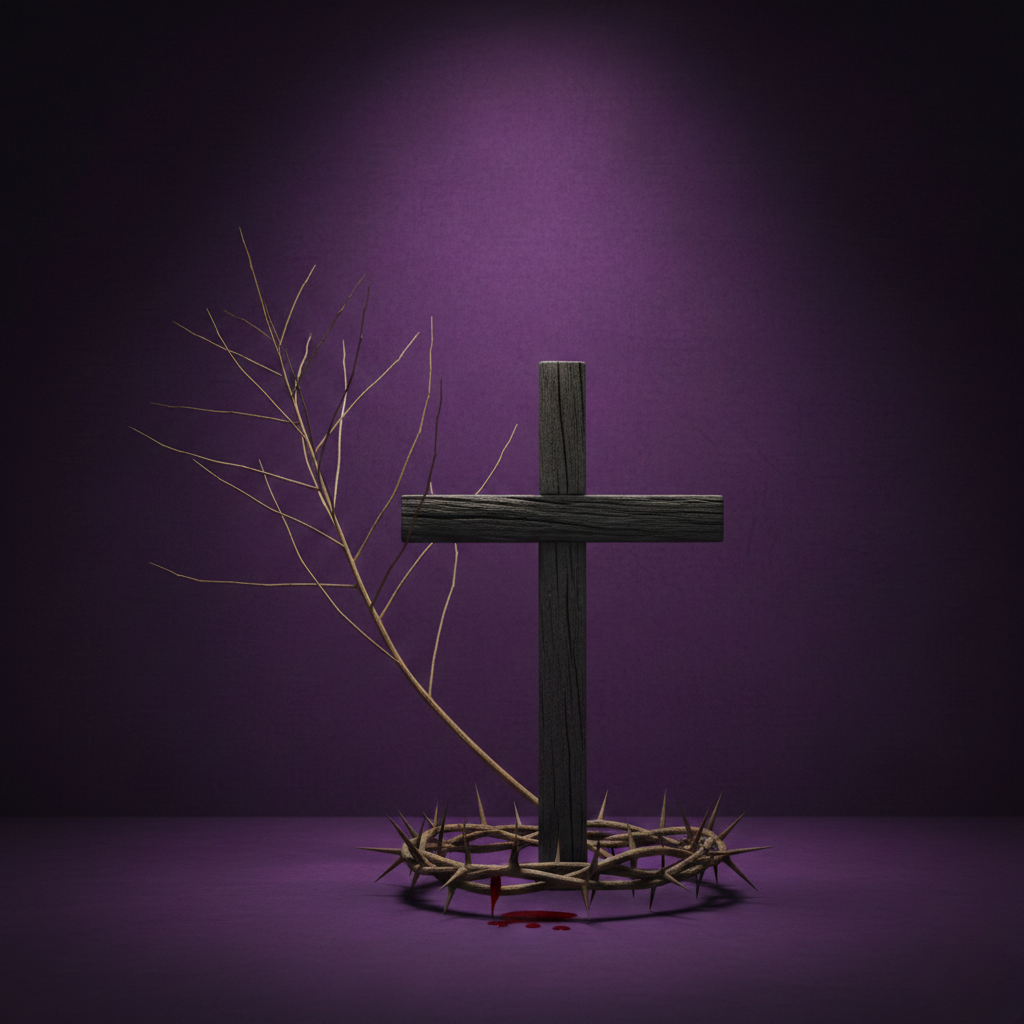
Lent is the forty-day period preceding the celebration of Easter, the primary solemnity of the Christian calendar. For the faithful of the Catholic Church, this time is not merely an external tradition but a collective spiritual retreat calling for a conversion of heart. Through penance and reflection, Catholics are invited to follow the path of Jesus in the desert, preparing the soul for the mystery of the Passion, Death, and Resurrection of the Lord. The keyword of Lent is metanoia, the inner change that brings man closer to the divine will.
The Biblical and Historical Basis of the Forty Days
The Symbolism of the Number Forty in Holy Scripture
The number forty holds dense theological significance in the Bible, representing a time of testing, purification, and preparation. We recall the forty years of the people of Israel in the desert seeking the Promised Land, as well as the forty days of fasting by Moses on Mount Sinai and Elijah on his way to Horeb. In the New Testament, the central foundation lies in the forty days in which Our Lord Jesus Christ fasted in the desert before beginning His public ministry, resisting the temptations of the enemy.
Evolution in Apostolic Tradition
In the early centuries of the Church, the period of preparation for Easter varied in duration. It was after the Council of Nicaea in 325 AD that the practice of forty days became more uniformly established. Lent begins on Ash Wednesday and extends until Holy Thursday, before the Mass of the Lord's Supper, when the Paschal Triduum commences.
The Three Pillars of Lent
To live this time with spiritual efficacy, the Church proposes three fundamental exercises based on the Sermon on the Mount:
Prayer: Intensifying the dialogue with God. It is the recognition of the creature's dependence on the Creator. During Lent, prayer should be more frequent, deep, and centered on reading the Word of God and meditating on the Stations of the Cross.
Fasting: A discipline aimed at the mastery of the will over the instincts of the flesh. Lenten fasting is not a diet but a sacrifice that creates inner space for a hunger for God, strengthening the soul against temptation.
Almsgiving (Charity): The practice of charity is the external expression of internal conversion. By detaching from material goods in favor of those in need, the faithful recognize Christ in their neighbor and combat the sins of greed and selfishness.
Lenten Liturgy: Signs and Symbols
The Church's liturgy during this period acquires a sober and penitential character to assist the faithful's introspection:
The Color Purple: Used in vestments and decorations, purple symbolizes penance, sacrifice, and expectation.
The Omission of the Alleluia and the Gloria: These expressions of exuberant joy are silenced so that they may resonate with greater force at the Easter Vigil.
Altar Sobriety: The use of flowers and excessive instrumental sound is avoided, focusing on the essence of the mystery being celebrated.
Importance for the Catholic Church and Theological Legacy
Lent is essential for maintaining the spiritual vitality of the Catholic Church. Its theological legacy lies in reaffirming the need for redemption. Without the awareness of sin and the practice of penance, modern man risks losing sight of the gratuitousness of divine Grace. This liturgical season reminds us that the Christian life is a constant spiritual struggle against the forces of evil and disordered inclinations. Lent educates the will, purifies memory, and orients intelligence toward the truth of the Gospel, ensuring that the celebration of Easter is not just a historical rite but a personal and communal renewal of faith.
Final Reflection
As we walk the Lenten itinerary, we are called to remember that "you are dust and to dust you shall return." This truth should not lead to despair but rather to humility and trust in God's infinite mercy. May this time in the desert be the opportunity to silence the voices of the world to hear the voice of the Lord calling to holiness. May every sacrifice offered in these forty days be transformed into light for the celebration of Christ's definitive victory over death.
© 2025 A Catequese. All Rights Reserved.
We are dedicated to spreading the Catholic Faith, sharing the power of prayer, and preserving the inspiring stories of the saints.
If our work has touched your heart or deepened your spiritual journey, please consider making a contribution. Your support is crucial for covering the costs of this ministry, allowing us to publish more free resources and guides.
Any amount helps us keep the faith alive online!